
Legal availability
Where to watch
Streaming availability can change. We only link to official platforms.



Credits and facts
Movie details
- Original title
- दिलवाले दुल्हनिया ले जायेंगे
- Release date
- 20 October 1995
- Runtime
- 190 minutes
- Country
- India
- Languages
- Hindi
- Genres
- Drama, Comedy, Romance, Musical
- Director
- Aditya Chopra
- Writers
- Aditya Chopra, Javed Siddiqui
- Cast
- Shah Rukh Khan as Raj Malhotra, Kajol as Simran Singh, Shah Rukh Khan, Amrish Puri as Chaudhry Baldev Singh, Farida Jalal as Lajwanti "Lajjo" Singh, Anupam Kher as Dharamvir Malhotra, Kajol, Satish Shah as Ajit Singh, Amrish Puri, Farida Jalal, Satish Shah, Himani Shivpuri
- Producers
- Yash Chopra
- Production company
- Yash Raj Films
Spoiler-free synopsis
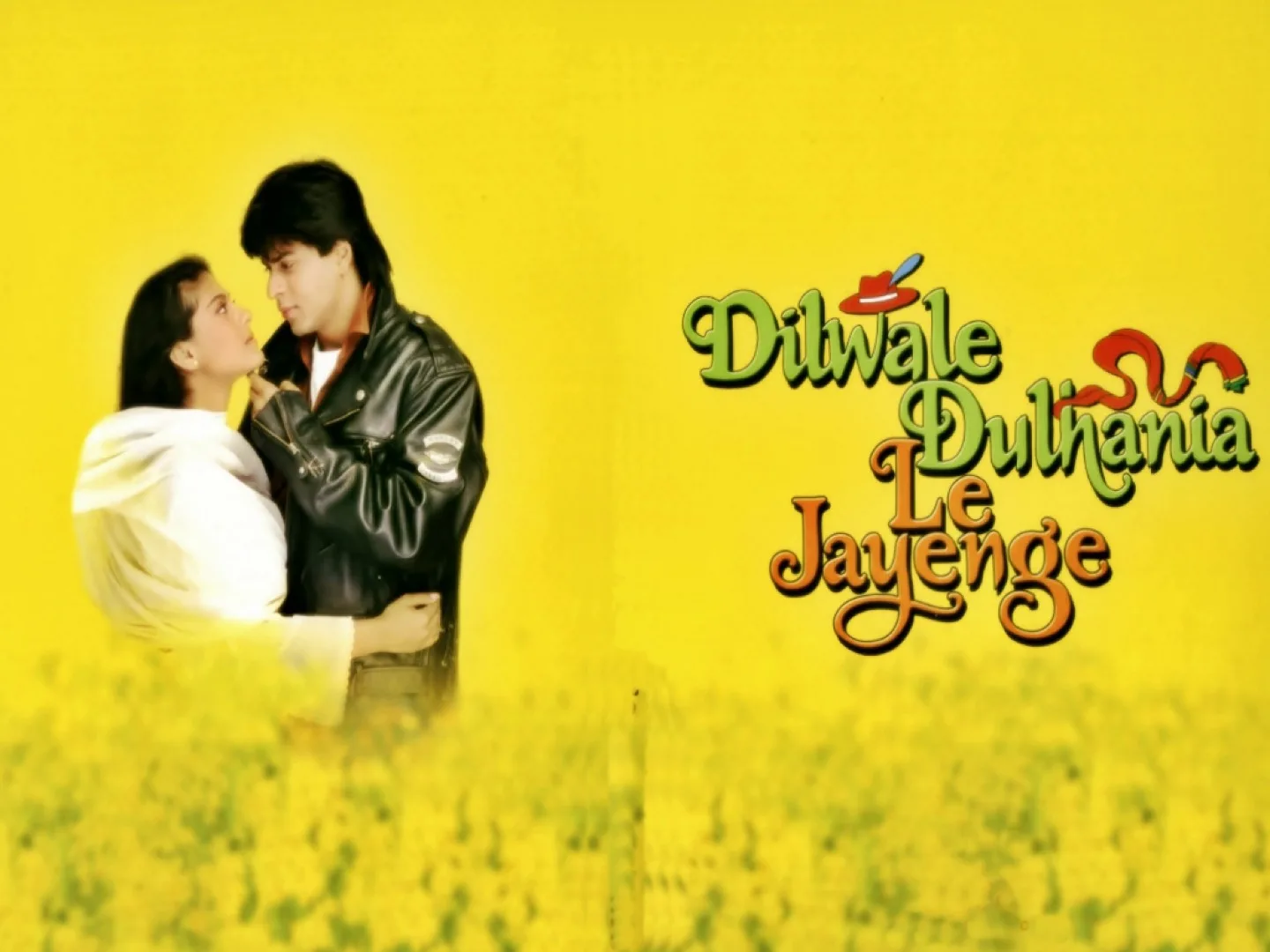
Raj and Simran meet while travelling in Europe and fall in love, but Simran returns to India for an arranged marriage. Raj follows her and tries to win her family’s approval rather than eloping.
For families
Editorial guidance
Context for discussing the story and deciding whether it fits your household.
Positive messages
Constructive themes or examples.The film can support constructive discussion about responsibility, empathy, honesty and the consequences of choices. Parents can ask how characters respond to pressure, relationships, authority and family expectations, whether other people’s boundaries and dignity are respected, and what healthier alternatives might have reduced conflict. It can also encourage comparison between the social assumptions of early-1990s Indian cinema and present-day expectations around fairness, consent, accountability and respectful communication.
Negative behaviours
Conduct that may need context.Content needing context includes romantic pursuit, family pressure around an arranged marriage, alcohol use in comic/social settings, some fighting and emotionally intense family conflict. Some behaviour may involve poor judgement, deception, aggression, coercion, prejudice, unhealthy relationship choices or other conduct that benefits from adult discussion. Older filmmaking styles can make serious themes feel less graphic than modern productions, but that does not remove their emotional impact. Where dependable scene-level documentation was unavailable, this review intentionally avoids inventing incidents, frequency or intensity that the research could not establish.
Topics to discuss
Conversation starters after viewing.Useful family discussion topics include whether characters respect other people’s choices, how family or social pressure affects decisions, what alternatives were available, and whether consequences fit the behaviour shown. Parents and children can compare the film’s treatment of gender roles, romance, reputation, authority, money, violence, duty or community expectations with present-day values, while separating what the story depicts from what the family would consider healthy or acceptable behaviour.
Final recommendation
Our family-viewing take
Suggested minimum age: 12+. The strongest considerations are romantic pursuit, family pressure around an arranged marriage, alcohol use in comic/social settings, some fighting and emotionally intense family conflict. Teenagers at or above the suggested age will usually be better placed to understand the dramatic context, while younger or particularly sensitive viewers may need previewing or a parent alongside them. Shared family viewing is reasonable when adults are comfortable discussing the difficult material. This is an editorial family-viewing recommendation based on researched evidence, not a substitute for an official Indian CBFC classification.
Continue browsing
More Like This
Automatically matched using shared tags, genres, language, family suitability, and release period.




Help improve this guide
Was this movie guide accurate?
One tap is enough. We store privacy-safe hashes for spam prevention and never publish visitor IP addresses.